

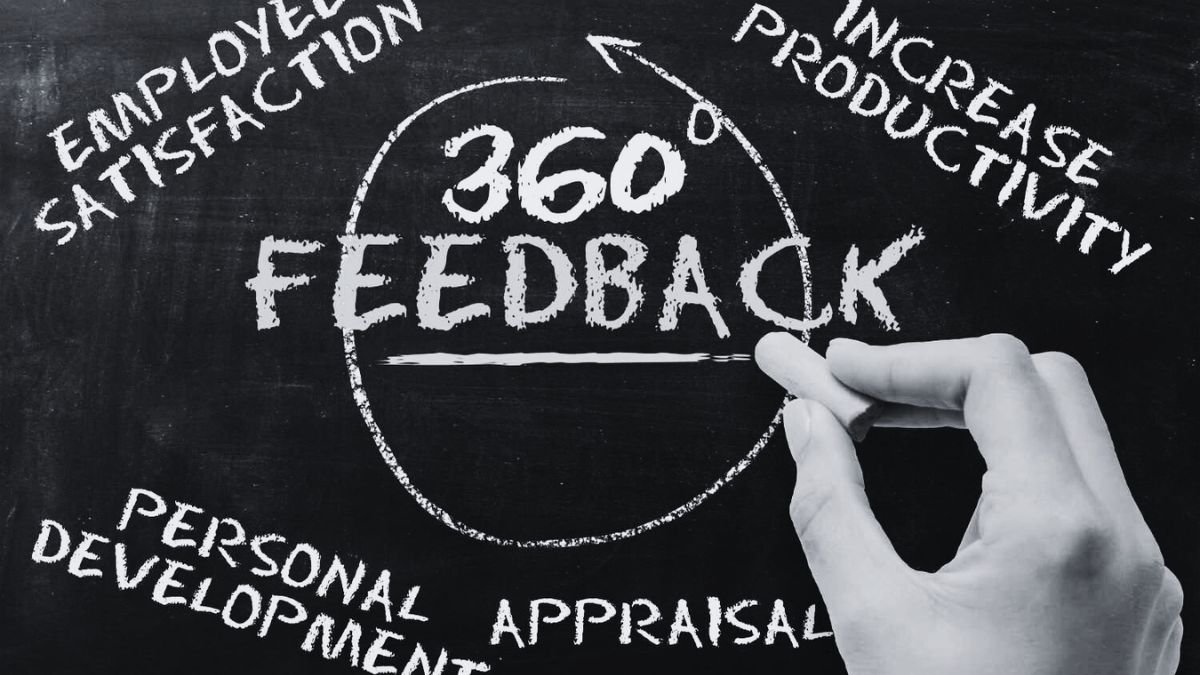
In today’s fast-paced and dynamic work environment, continuous improvement and performance evaluation are critical to success. Organizations are increasingly turning to comprehensive feedback systems to understand employee performance from multiple perspectives. Among these, the 360-degree feedback system has emerged as one of the most effective tools for personal and professional development. But what is 360 degree feedback, and why has it become so essential in the modern workplace?
Table of Contents
The Basics of 360-Degree Feedback
At its core, 360-degree feedback is a method of performance appraisal that gathers input about an employee from a full circle of sources — not just from their direct supervisors. Typically, feedback is collected from peers, subordinates, supervisors, and sometimes even external stakeholders like clients or vendors. The employee also completes a self-assessment as part of the process. This multi-source approach offers a balanced and holistic view of the individual’s strengths and areas for improvement.
Unlike traditional reviews that rely on a single perspective, 360-degree feedback provides a more comprehensive evaluation. It recognizes that no single person sees every aspect of an employee’s performance and that collective insight can lead to more accurate and actionable feedback.
How It Works
The process typically begins with the identification of competencies that align with the organization’s goals or values. Then, a set of questions or rating scales is developed to evaluate those competencies. Participants — including the employee and their selected raters — are invited to anonymously complete the feedback survey.
Once the feedback is gathered, it is compiled into a report and delivered to the employee. Often, the results are accompanied by coaching or follow-up discussions to help the individual understand their feedback and identify development strategies.
Key Benefits of 360-Degree Feedback
1. Comprehensive Perspective:
One of the biggest advantages of 360-degree feedback is that it delivers a well-rounded view of employee behavior and performance. By including multiple perspectives, the system mitigates personal biases that may exist in one-on-one reviews.
2. Improved Self-Awareness:
Receiving feedback from various colleagues helps individuals understand how their actions and behaviors are perceived by others. This awareness is crucial for personal growth and development.
3. Enhanced Team Communication:
Because the process encourages openness and honesty, it often fosters stronger communication among team members. When employees feel their voices are heard, it can lead to higher engagement and trust within the workplace.
4. Targeted Development Plans:
With clearer insights into specific strengths and weaknesses, organizations can tailor training and development programs more effectively. Employees can focus on the areas that truly need attention, leading to better use of resources and faster progress.
5. Encourages a Culture of Accountability:
When employees know that feedback is gathered from multiple sources, they are often more motivated to maintain consistent performance and professionalism across all interactions.
Challenges to Consider
While 360-degree feedback has many advantages, it is not without its challenges. One common concern is the potential for biased or unconstructive feedback, especially if participants are not adequately trained in how to provide it. Anonymity helps, but organizations must also ensure that the culture supports honest and respectful communication.
Another issue is feedback overload. If too much information is provided without proper context or support, employees may feel overwhelmed or discouraged. That’s why it’s important to accompany the process with coaching or professional development resources.
Best Practices for Implementation
To successfully implement a 360-degree feedback program, organizations should consider the following best practices:
- Start with Clear Objectives: Know exactly what you want to achieve through the feedback process — whether it’s leadership development, team building, or performance enhancement.
- Train Participants: Educate both feedback providers and recipients on how to give and receive constructive feedback. Clarify the purpose and ensure participants feel safe and respected.
- Ensure Confidentiality: Protecting the anonymity of feedback providers encourages honest responses and increases the reliability of the data.
- Follow Up: Feedback without follow-through is ineffective. Schedule meetings or coaching sessions to interpret the results and create actionable development plans.
- Repeat Regularly: When used periodically, 360-degree feedback can track improvement over time and reinforce a culture of continuous learning.
Conclusion
The demand for well-rounded, insightful employee evaluations has never been higher. As organizations strive to create more collaborative, agile, and high-performing teams, tools like 360-degree feedback are proving invaluable. By offering multiple viewpoints, encouraging self-awareness, and supporting development, this method empowers individuals to grow and contribute more effectively to their teams.
Understanding what is 360 degree feedback is the first step toward harnessing its full potential. When implemented thoughtfully, it can transform the way employees view themselves and how organizations drive performance improvement.
